


Flush to prevent water pump failure
 24 September 2014
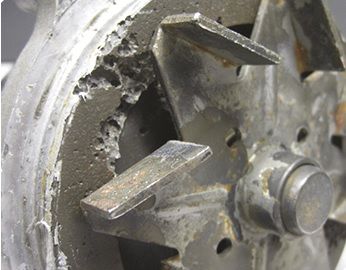
Proper flushing is one of the most critical elements of cooling system maintenance, yet it is often the most neglected service item in the workshop today. Inadequate flushing can lead to premature failure of newly installed parts, resulting in warranty problems and frustrated customers. Read all about how flushing the cooling system will positively affect the performance of the cooling system.
Coolant deterioration
Mixing coolants
Inorganic additives are used to plate cooling system surfaces as they form a thick protective layer but deplete over time. They are not very selective, which means they cover all surfaces regardless of what these surfaces are made of. Organic additives form chemical bonds with vulnerable surfaces, making a thin though extremely stable protective layer offering longer protection. They are selective, targeting only the areas that need protection.
Coolant selection would be easy if all vehicle manufacturers developed their systems with the same materials. But as that is not the case, each manufacturer develops a factory fill coolant based on the cooling system component materials it contacts. So, choosing the proper replacement coolant is impacted by the cooling system design. That is why Gates recommends always replacing the vehicle’s coolant with the coolant recommended by the vehicle manufacturer.
How to flush properly
Make sure the flush is complete with the old water pump still in place. Flushing after the new water pump is installed can lead to premature failure due to particulates getting caught in the seals during the flush.