


Getting ready for the winter rush
 3 November 2026
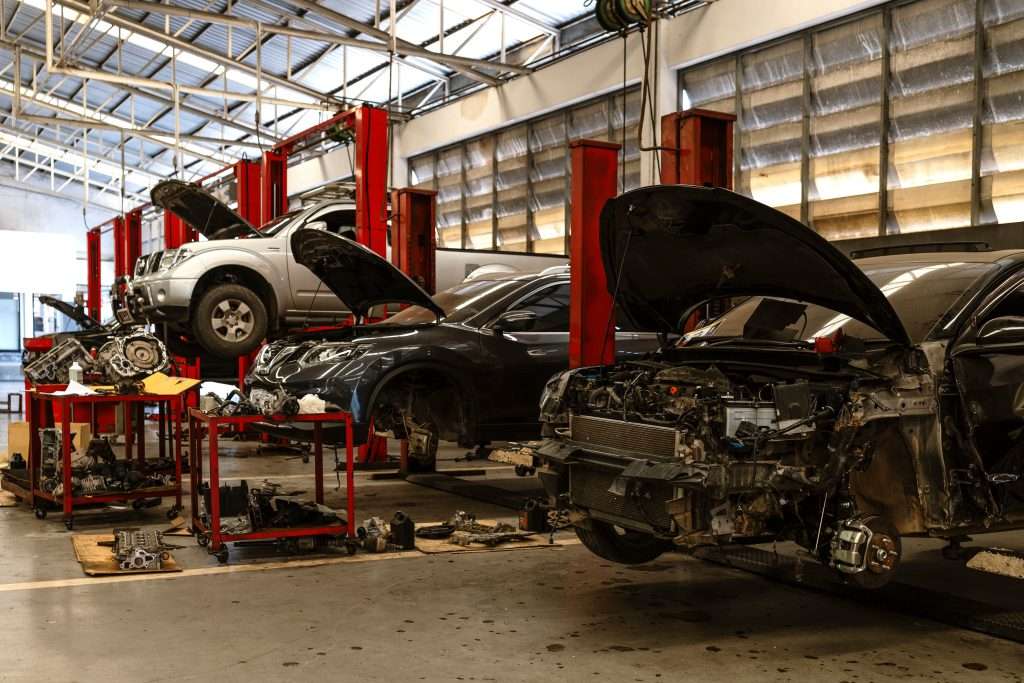
As the busy autumn MOT period gives way to increased demand for winter checks and weather-related repairs, garages face the challenge of keeping on top of an already busy workshop while finding time for unexpected jobs. Three garage management system providers share their thoughts on how garages can use the information they already have to plan ahead, manage capacity and make the most of the winter workload.
The September and October MOT rush might be coming to an end, but for many garages there’s little time to catch up before winter brings its own demands.
Colder weather means more battery failures, starting problems and other unexpected repairs, often arriving on top of the usual servicing and MOT work. While garages can’t predict every cold snap, they can make a reasonable assessment of what’s likely to be coming through the door.
And much of the information they need to do that is already sitting in their garage management system (GMS).
Looking beyond the booking diary
Historic bookings and MOT due dates are good starting points when predicting demand, but the number of vehicles booked in only tells part of the story.
Greg Johns, Chief Revenue Officer at TechMan, explained: “Understanding job types, average labour hours, technician utilisation and previously advised work gives a much clearer picture of what demand is likely to look like.
“A diary showing 20 bookings doesn’t necessarily mean a productive day. It’s the type of work, the hours available and the profitability of those jobs that really matter.”
Rhys Hill, Technical Manager at Garage Hive, makes a similar point about the type of work being booked.
“Ten fast-fit winter checks require an entirely different operational footprint to three complex cold-start diagnostic jobs or seized suspension overhauls on older vehicles.”
Garage Hive recommends looking at forthcoming MOT dates, previous job types and the age and types of vehicles coming into the workshop. Analysing previous winters can help garages identify patterns in routine servicing and weather-related repairs, while MOT histories can indicate how much additional repair work might follow testing.
Garage Hive also reports that, according to its Garage Industry Trends data, vehicles aged eight to twelve years account for a disproportionate amount of unscheduled recovery work during colder weather.
Customer and vehicle histories can also help identify recurring patterns, according to Klipboard.
“Looking at what happened during the same period in previous years can help garages identify recurring patterns and anticipate the type of work they may see again.”
Making room for the unexpected
Predicting demand is only useful if the workshop has the capacity to deal with it.
Garage Hive recommends planning capacity four to six weeks ahead and reviewing it weekly. However, Rhys warns against assuming every hour a technician is at work is an hour available to sell. Holidays, training, sickness and time spent on non-productive tasks all need to be considered.
For example, Garage Hive suggests that a technician attending for 40 hours but achieving an overall recovery rate of 85% would struggle to complete 40 hours of booked work without creating delays.
TechMan recommends planning available workshop hours at least a month ahead, but also keeping a close eye on the diary as work progresses.
Greg explained: “Workshop capacity should be reviewed daily to account for changing workloads, unexpected jobs and new booking opportunities, ensuring the diary remains both productive and manageable.”
Technician skills and equipment availability also matter. As Klipboard points out, having ten free booking slots doesn’t necessarily mean a garage can take on ten more jobs. Some will need particular technicians, equipment or considerably more time than others.
And while a diary booked solid for the next few weeks might look good, it can quickly become a problem when an MOT identifies additional repairs or a diagnostic job takes longer than expected.
Rhys believes keeping some capacity available can pay dividends. “Workshops that consistently protect a 10% to 15% daily capacity buffer can absorb high-margin emergency walk-ins, diagnostic overruns, and same-day VHC authorisations without throwing the entire day’s schedule into chaos,” he added.
Garage Hive says its data shows a link between protecting capacity and achieving higher average invoice values during busy periods. Without that flexibility, garages risk having to delay additional repairs identified during inspections, potentially losing the work altogether.
Greg takes a slightly different view, suggesting flexibility is more important than deliberately leaving gaps. He continued: “The key isn’t necessarily leaving gaps in the diary; it’s having a dynamic system that allows garages to manage those constantly moving parts. Being able to move jobs around, reallocate technician hours and react to changes throughout the day is essential.”
This is where a GMS can help, giving service advisors a clearer picture of which technicians are available, how jobs are progressing and where work can be moved around. Real-time technician monitoring can also highlight jobs running behind schedule, allowing adjustments before delays affect other bookings.
Klipboard also sees opportunities for artificial intelligence to make this easier, pointing to Autowork’s AI-assisted booking capability, which is designed to identify suitable appointments without staff having to manually work through the diary.
Bringing work forward
Garages can also take some control over when work arrives by encouraging customers to book ahead.
MOT and service reminders are obvious examples, but previously advised repairs can provide another opportunity. Garages that record previously advised work can use that information to identify customers who may benefit from a reminder, rather than waiting for them to get back in touch.
Greg explained: “Rather than waiting for customers to return with a problem, garages can proactively contact them, explain what was previously identified and encourage them to book before the winter rush.”
Garage Hive recommends reviewing outstanding advisories from earlier in the year and contacting customers about work that may need attention. It also suggests sending MOT and service reminders four to six weeks ahead, giving garages the chance to encourage bookings during quieter periods.
Bringing some of that work forward could free up valuable workshop time when winter-related repairs start arriving.
Automated customer communications can make this easier without adding to the workload at the front desk, allowing service advisors to concentrate on customers and managing the workshop.
A representative from Klipboard explained: “If more demand can be identified earlier, there is a better opportunity to spread work across available capacity rather than having everything arrive at the workshop at once.”
Planning rather than firefighting
Ultimately, the difference between garages that manage busy periods successfully and those that struggle often comes down to how well they use the information available to them.
“The biggest difference is that well-run garages manage their workload, rather than allowing their workload to manage them,” said Greg.
Garage Hive similarly points to the importance of managing productive technician hours rather than simply counting vehicles, while Klipboard highlights the value of spotting potential problems early enough to do something about them.
A garage that regularly reviews its bookings, available hours and previously advised work has more opportunities to adjust its plans than one that only looks at the diary when things get busy.
Alongside their everyday role in managing bookings, jobs and workshop administration, modern garage management systems can provide valuable insights into how a business is performing and what lies ahead.
As garages head into winter, there is an opportunity to make better use of the information that is already there, whether that’s identifying work that could be brought forward, understanding how many technician hours are genuinely available or spotting problems in the diary before they affect customers.