


Budget Analysis
 21 March 2012
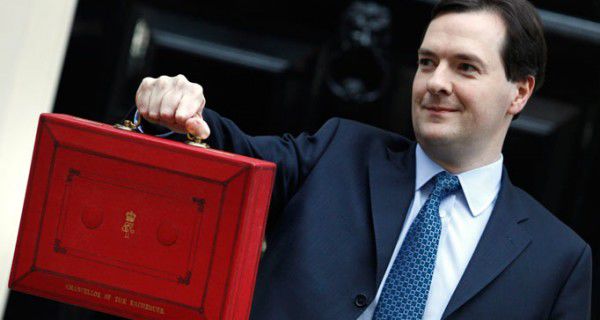
THE Chancellor’s budget on Wednesday got a generally muted reaction from the motor industry. Nonetheless, no sooner had the Chancellor commended his budget to the house, then there were a number of industry insiders waiting to pass comment on the implications of a rise in fuel duty and a change in business rates.
The RMI’s Petrol Division took exception to the deferred rise in fuel duty, set to take effect from the start of August. Chair Brian Madderson commented: “This is a deeply unpopular move by Government to force through a regressive fuel tax increase of this magnitude.” He added: “Only this week the IMF has voiced fears that Brent Crude could spike from the present US$124 per barrel up to uncharted levels, above US$160 per barrel, should there be a major shortage of export oil from Iran. With strong demand from emerging economies, this would inevitably drive pump prices yet higher with significantly adverse consequences for the UK economy.”
Neville Briggs, MD of garage software firm Pinewood said: “In motor industry terms, there is little in the Budget to substantially cheer or dismay dealers. However, what might create a slight uplift in mood is the range of forecasts that the Chancellor made – that growth for 2012 will be a little better than expected.”
Ian Simpson, a director at The Warranty Group, was equally pessimistic “There is a chance that the ‘lowest rate tax threshold’ rise and the highest rate reduction may create a slight feelgood factor at the extreme ends of the used car market – budget and luxury – but otherwise there is little in the Budget to specifically cheer the motor industry.”
However, some were cheered to see resources being put into component manufacturing and vehicle assembly. “The Chancellor’s actions to improve R&D tax credits and develop a catapult for transport systems and future cities will help trigger substantial extra business investment in the years ahead,” said Paul Everitt, chief executive of the SMMT , adding: “The UK automotive industry is attracting major levels of investment and creating real opportunities for engineering and manufacturing businesses.”