


Editor’s comment
 9 January 2015
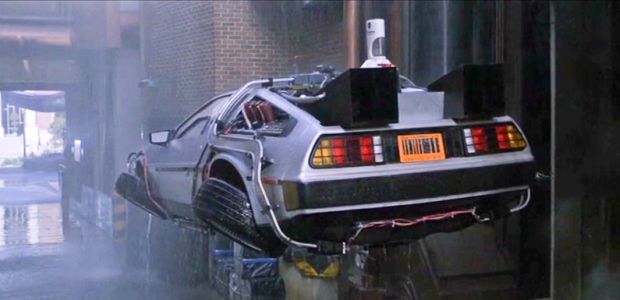
For film fanatics, sci-fi geeks and those interested in time travel, 2015 is a very important year. Finally the social media trolls can stop doctoring pictures and we can all rejoice, for this is the year Marty McFly travelled to in Back to the Future part II.
So surely it must be easy to service cars now you don’t really need ramps? That is unless the Mr Fusion system is blocked by an errant banana skin and the car won’t hover. Plus, your customers won’t need to wait around if they have their hoverboard with them. It’s amazing to think that a film studio predicted these innovations in just 30 years from the film’s setting, rather than go 40 or 50 years forward – to me it shows just how the world was thinking back in the mid-eighties.
The ideas about flying cars may be some way off – currently a company is building such a thing but as an aeroplane rather than a hovering, wingless entity – but there is no mention in the film about electric, hybrid or hydrogen engines. The cars are more aerodynamic but that is for flight, not for fuel efficiency. Which begs the question, have we gone backwards from where we were supposed to be by now?
The answer of course is no, instead we have gone in a different direction. Big gas-guzzling engines that were predominant in the eighties have been replaced by cleaner and greener smaller units that produce as much power. Rather than look at needless technology such as flying (if it ever occurred to vehicle designers) instead the world has moved on to a more environmental trend.
So what other predictions did the film get wrong? Well, we don’t have a multitude of fax machines, window projectors are not popular, automatic dog walkers are still a dream and I would love to have a self-drying jacket for those rainy days. It did however predict video-calls, 3D films and the ability to use thumbprints to pay for items. Perhaps the flying car isn’t so far off then.