


Finding the fault behind starter and alternator failures
 15 October 2026
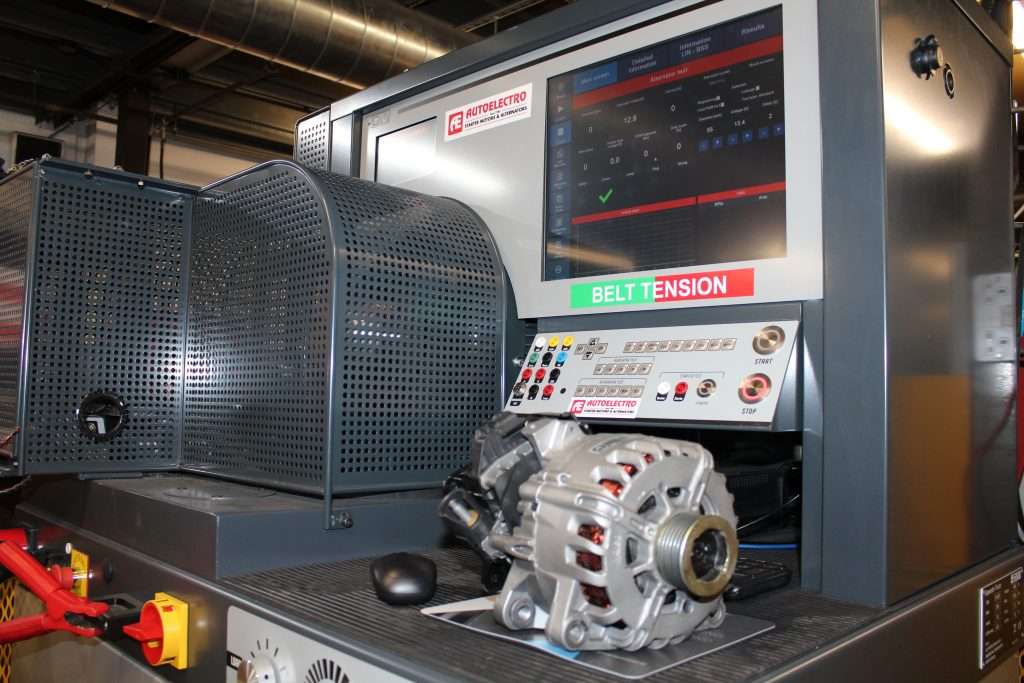
Autoelectro’s Harnek Bhogal explains what the company learns from returned starter motors and alternators, the tell-tale signs technicians should look for and why finding the root cause matters before fitting a replacement.
Understanding why a starter motor or alternator has failed can help technicians identify an underlying vehicle fault before fitting a replacement and reduce the risk of the same problem happening again.
For Autoelectro, returned old cores provide an opportunity to investigate those causes. The Bradford-based remanufacturer tests, inspects and strips returned units, using the volume of components it receives to identify common failures and trends.
“By analysing the volumes of returned old cores we look to identify common failures and trends to work backwards to determine the root cause which helps ensure the underlying fault can be addressed before a replacement part is fitted, therefore reducing the risk of the same problem happening again,” explained Autoelectro’s Harnek Bhogal.
Look beyond the alternator
One of the most common alternator failures Autoelectro sees involves clutch or freewheeling pulleys that have seized or failed altogether. However, the company says this is more often than not caused by excessive lateral load.
This can result from a tensioning or drive belt-related issue where pressure on the alternator pulley system becomes too great and, over time, causes the pulley mechanism to fail. Autoelectro says this can be misdiagnosed as a faulty alternator pulley or bearing.
Harnek explained that when the company sees a pallet of old cores with the same failure, it is highly unlikely that they all had faulty pulleys; rather, they were fitted to the same vehicle engine with the same inherent tensioning issue.
The removed component can also provide clues. Fine black dust on the front of an alternator casing indicates the belt has been slipping on the pulley grooves as a result of a tensioning issue. If the alternator is physically wet when removed, Autoelectro says this indicates a leak somewhere in the engine, usually involving coolant, fuel, water or oil.
What burnt-out starters can reveal
With starter motors, Autoelectro says the main issue it sees with returned old cores is units that have burnt out. This occurs when they become stuck in the engaged position, causing the starter’s internal components to become too hot and fail.
The customer may report that the starter does not engage or simply clicks. Autoelectro says the underlying cause is more often than not a faulty ignition switch that leaves the starter wiring engaged, poor battery condition resulting in the starter having to work overly hard to crank the engine, or another issue such as a bad earth.
The condition of the removed starter can provide further information. If it is physically hot to touch, gives off a burning smell or the shaft has turned blue from heat, Autoelectro says this indicates a starter that has burnt out. While damaged pinion teeth can result from the starter not being fitted correctly, meaning the teeth do not mesh properly with the flywheel.
Checks before replacement
Before condemning and replacing a starter motor or alternator, Autoelectro recommends checking areas including the tensioners, battery condition and vehicle fault codes.
Harnek said: “It sounds obvious, but checking things such as tensioners, battery conditions and fault codes are important. We’ve had it in the past where parts have been returned to us with fault codes as evidence, but when we check the fault code, it relates to something entirely different and separate from the alternator. A quick Google of the fault code before the repairer even touched the alternator would have saved them many hours of labour by advising them of where to look in the first place.”
The condition of the removed component can also highlight potential causes, including the signs of tensioning problems, leaks, overheating and incorrect starter fitment identified by Autoelectro.
Building specialist knowledge
Autoelectro has focused on starter motors and alternators since it was established in 1986. The company says specialising in these two product groups has allowed it to develop its technical expertise and understanding of the market.
“By focusing on just two core products, we have honed our technical expertise and developed a comprehensive understanding of our market. This specialisation allows us to concentrate on four key pillars: offering a wide range, ensuring strong availability from stock, providing outstanding technical support, and maintaining complete oversight over our remanufacturing procedures,” said Harnek.
Autoelectro says its product and application knowledge covers areas including mounting points, pulley types, terminals, plug layouts and software-related requirements. Technical notes supplied with many products also highlight known vehicle issues and provide fitting advice or best practice information intended to protect against potential warranty issues.
Further information is available through Autoelectro’s free-to-trade 1986 Dashboard (www.autoelectro.co.uk/technical-support), which allows users to search starter motor and alternator applications covering vehicles from the 1970s to the present day.
For Autoelectro, analysing returned old cores allows it to identify common failures and trends, work backwards to determine the root cause and provide information that can help technicians address an underlying fault before fitting a replacement.
Click here for more information