


Road pricing at the next turn? “Zero emission vehicles shouldn’t mean zero tax revenue,” says Transport Committee
 4 February 2022
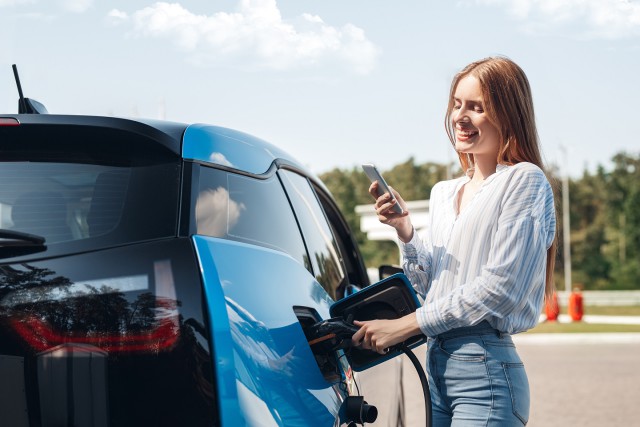
The shift to EVs is going to make road pricing a necessity, the House of Commons Transport Select Committee has said, in order to prevent a £35 billion black hole in finances resulting from the loss of fuel duty and road tax intake.
In its report, Road Pricing, published today, the Committee says there is no viable alternative other than a road charging system.
Chair of the Transport Committee, Huw Merriman MP, said: “It’s time for an honest conversation on motoring taxes. The government’s plans to reach net zero by 2050 are ambitious. Zero emission vehicles are part of that plan. However, the resulting loss of two major sources of motor taxation will leave a £35 billion black hole in finances unless the government acts now – that’s four per cent of the entire tax-take. Only £7 billion of this goes back to the roads; schools and hospitals could be impacted if motorists don’t continue to pay.
At present, electric vehicles are not subject to road tax, and users do not pay fuel duty. When the sale of new petrol and diesel vehicles is banned in 2030, the government’s tax-take will be short the £28 billion taken in fuel duty, as well as the £7 billion taken in vehicle excise duty.
Huw Merriman MP continued: “We need to talk about road pricing. Innovative technology could deliver a national road-pricing scheme which prices up a journey based on the amount of road, and type of vehicle, used. Just like our current motoring taxes but, by using price as a lever, we can offer better prices at less congested times and have technology compare these directly to public transport alternatives. By offering choice, we can deliver for the driver and for the environment. Road pricing should not cost motorists more, overall, or undermine progress on active travel.”
He added: “Work should begin without delay. The situation is urgent. New taxes, which rely on new technology, take years to introduce. A national scheme would avoid a confusing and potentially unfair and contradictory patchwork of local schemes but would be impossible to deliver if this patchwork becomes too vast. The countdown to net zero has begun. Net zero emissions should not mean zero tax revenue.”