


Turning EV tyre wear into a workshop opportunity
 13 November 2026
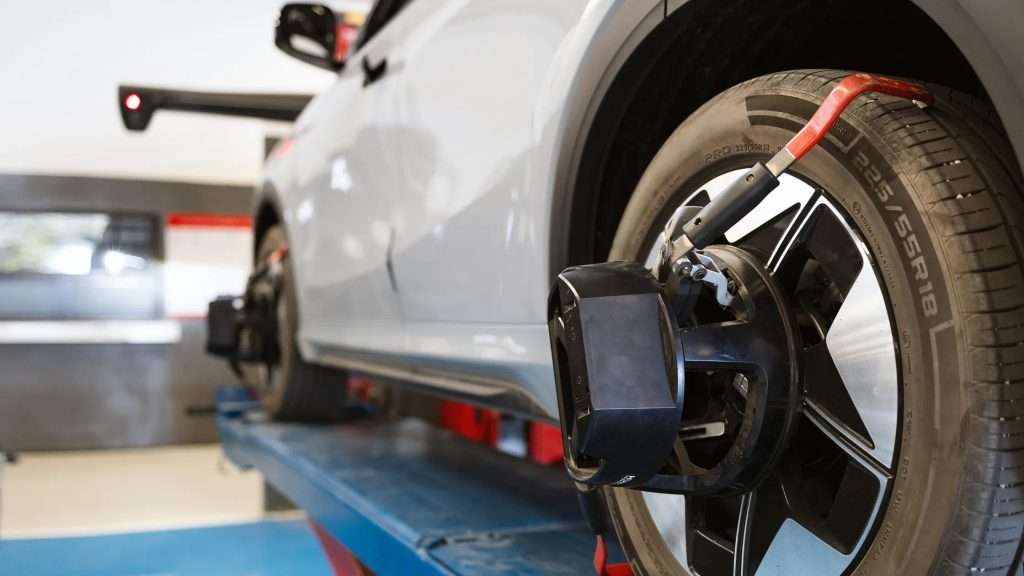
Pro-Align, the UK distributor of Hunter wheel alignment systems, tyre changers and diagnostic wheel balancers, looks at how the extra demands placed on tyres by electric vehicles can present workshops with an opportunity to offer customers a valued service.
Workshops are seeing a growing number of electric vehicles with uneven or premature tyre wear. While this might seem like a maintenance issue, it’s often due to the unique demands EVs place on their tyres. Understanding these differences is essential for any garage aiming to properly support EV drivers and maximise tyre lifespan.
Electric vehicles tend to wear tyres more quickly because they are heavier, produce instant torque that increases scrubbing during acceleration, and use regenerative braking. This braking system places additional strain on the tyres, particularly the front tyres, and on rear-wheel-drive models, the rear tyres as well.
On top of this, EVs are highly sensitive to wheel alignment issues; their extra weight and frequent use of low-profile tyres mean even minor misalignments in toe or camber can lead to significant shoulder wear. While EV-specific tyres help to manage the load and torque, they cannot fully compensate for poor alignment.
This is why wheel alignment has become one of the most effective and manageable ways for workshops to reduce tyre wear in electric vehicles.
EV tyre wear
One of the largest contributors to tyre wear in EVs is vehicle mass. EV battery packs are heavier compared to Internal Combustion Engine (ICE) models.
More weight equals more force pushing the tyre into the road surface. This increases contact pressure, frictional heat buildup, and structural fatigue.
According to tyre industry testing, every 45 kg of additional weight corresponds to a 3.2% increase in longitudinal thread shear stress under identical driving conditions.
Heavier vehicles also cause greater lateral forces and faster wear. This is why workshops often observe premature outer edge wear on EVs even when alignment is correct.
In addition, electric motors produce peak torque instantly from zero RPM, placing significantly higher stress on tyre contact compared to internal combustion engine vehicles. Even under normal acceleration, this results in micro-slip, where the tyre momentarily slides against the road surface. Over time, these repeated high-load interactions cause greater deformation of the tread, leading to increased wear on the driven wheels.
Finally, regenerative braking can compress contact more forcefully than traditional friction braking and can create saw-toothing, feathering, or uneven shoulder wear, especially in stop-start driving.
To support heavy battery loads and maximise efficiency, many EVs run tyres with higher load ratings and reinforced sidewalls, low rolling resistance compounds, noise-reduction foam liners and optimised tread designs for torque handling.
While these technologies improve efficiency and comfort, they can also increase wear rates.
Reducing tyre wear
Correct wheel alignment is critical to maintaining optimal load distribution and contact patch stability, making it essential for preventing premature tyre wear.
Proper alignment reduces scrub and rolling resistance. When wheels are not properly aligned, they sit at slight angles to one another, causing the tyres to “scrub” across the road surface instead of rolling cleanly and rapidly eroding the tyre shoulder and accelerating wear. Correct alignment keeps all four wheels pointing in the right direction, reducing unnecessary rolling resistance and helping the tyres work more efficiently.
Misalignment can cause a vehicle to drift, pull or feel unstable, forcing the driver to constantly correct the steering. With proper alignment, the vehicle is straight, stability improves, and tyre stress stays consistent across the tread.
Poor toe, camber, or caster angles can each create different patterns of uneven wear, feathering, cupping, or edge wear. EVs are particularly sensitive to this because of their weight distribution and torque delivery. A precise alignment ensures each tyre makes contact with the road surface, spreading the load evenly and significantly reducing abnormal patterns.
Tyres are engineered to last a specific distance, but misalignment can cut that lifespan dramatically. By keeping alignment angles within the manufacturer’s specification, the tyre wears more predictably and consistently.
Additional benefits
Additional gains reinforce why alignment should always be taken seriously, for both drivers and the workshops doing the work.
As EVs have quieter drivetrains, drivers are far more aware of road noise and vibrations coming from the tyres. Misalignment can amplify these noises. Proper EV wheel alignment helps the tyres roll more smoothly, reducing the noise and vibration that EV drivers notice first.
In addition, accurate alignment protects time and revenue. Correct alignment significantly reduces the chance of customers returning with premature tyre wear, vibration complaints, or uneven tread issues.
Timescales
A properly equipped workshop treats alignment as part of an ongoing maintenance routine, not a one-off service.
EV alignment should be checked every 6,000 to 10,000 miles or annually, and always after tyre replacement, kerb or pothole impact, suspension work, as part of a routine EV service or if uneven wear, pull, or noise is reported.
This approach ensures that each adjustment is accurate, repeatable and tailored to EV demands, delivering long- term benefits in safety, handling and tyre longevity.
A high-value alignment service
As EVs continue to place higher demands on tyre wear, workshops have a significant opportunity to turn this challenge into a dependable, high-value alignment service.
EV tyres are considerably more expensive than standard tyres, and EV owners tend to be far less tolerant of premature or uneven wear. This makes precision wheel alignment not just a maintenance task, but a high-trust service that customers actively value, especially when the process is visible, repeatable, and backed by leading technology.
With the right equipment, workshops can offer EV-specific alignment services that clearly demonstrate accuracy and professionalism.
Hunter systems such as Elite TD and HS223, provide industry-leading measurement capability, while features like QuickGrip adaptors and HawkEye imaging ensure fast, contact-safe, high-resolution alignment readings that EV owners can see and understand.
Pairing alignment with the Road Force Elite balancer allows workshops to diagnose tyre uniformity issues that contribute to EV driving disturbance, reinforcing a workshop’s expertise and demonstrating a whole system approach to tyre care.
Positioning the service around customer outcomes helps increase acceptance and trust, and focus messages on “protect your new tyres” or “prevent uneven wear before it becomes expensive.”
EV wheel alignment can become a repeatable, premium service. This reduces comebacks, increases customer confidence, and turns EV tyre wear into a long-term revenue opportunity for your workshop.
pro-align.co.uk