


Which? urges EV charging overhaul
 24 February 2022
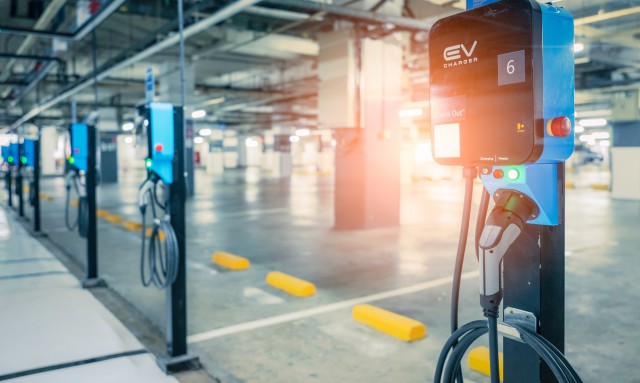
A report from Which? has called for a massive overhaul of the UK’s electric vehicle charging infrastructure, with research from the organisation showing that only 13% of drivers are using public charging facilities.
In the new Which? new report: ‘Building an Electric Vehicle Charging Infrastructure that is Fit for the Future’, Which? has called for major investment in charging infrastructure to improve access, pricing and balance out regional disparities.
While the research showed that 93% of EV and PHEV owners are currently able to charge at home, the Competition and Markets Authority (CMA) also said that 8 million households will not be able to charge an EV at home due to limited access to off-street parking, and will have to user public charging at a higher price as a result.
With the government’s EV Infrastructure Strategy soon to be published, Which? recommended a major increase in the number of charging stations in residential areas and at service stations, as well as necessitating that charge points that are currently restricted to certain brands be made available to all EVs. The organisation also called for simplification where apps or Radio Frequency Identification (RFID) cards are required, and for the price of public charging to be brought more in line with the price of home charging.
According to Which’s annual car survey, just 15% of EV charging and 5% of PHEV charging currently takes place at public charge points. when asked what was stopping them buying an electric vehicle, 33% of consumers cited the lack of charge points available on major routes for journeys, with 29% saying it was a lack of charge points near home.
Commenting on the research, Sue Davies, Which? Head of Consumer Protection Policy, said: “Our research shows that few electric vehicle owners currently rely on the public charging network, but this will have to change if millions of people are going to switch from petrol and diesel vehicles in the next decade.
“Improving the UK’s flawed charging infrastructure will support more motorists to make the switch to a zero-emission vehicle. The current confusing and complex system needs to be quickly overhauled if the network is going to be ready for the ban on new fossil fuel cars in 2030.”
Sue added: “Charging must be easy, accessible and affordable if people are going to make the move to an electric car.”
To view the full report, go to: www.which.co.uk/policy/sustainability/8670/electricvehiclecharging